Source wireless lavalier microphone for vlog, teaching, and meetings
Explore 30 options for a wireless lavalier microphone for vlog and live streaming. Buyers can compare models like K30 and K9, checking battery life, transmission frequency, and noise reduction features to find the right solution for recording and teaching.
Key considerations
Products List


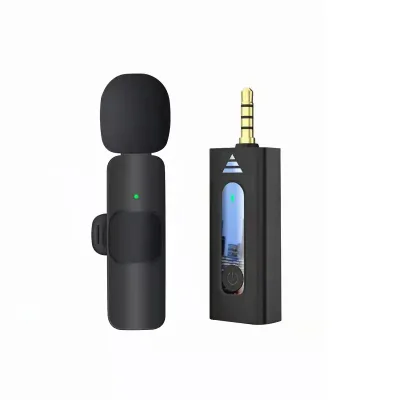


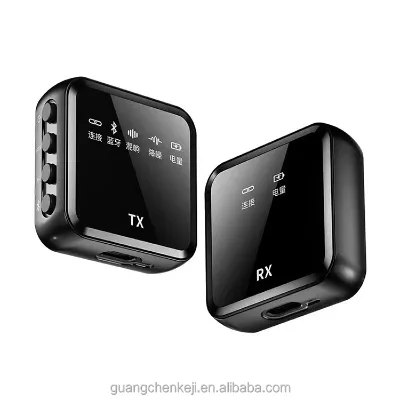
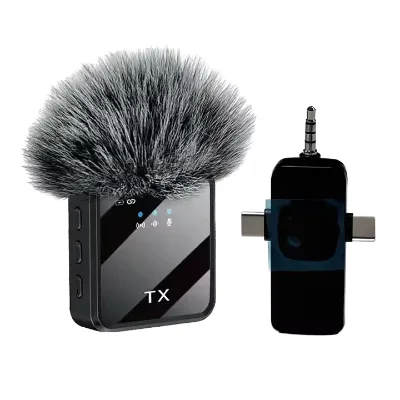


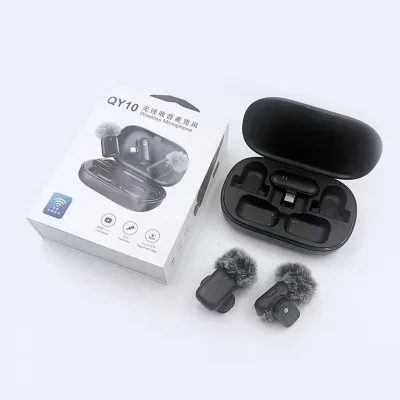


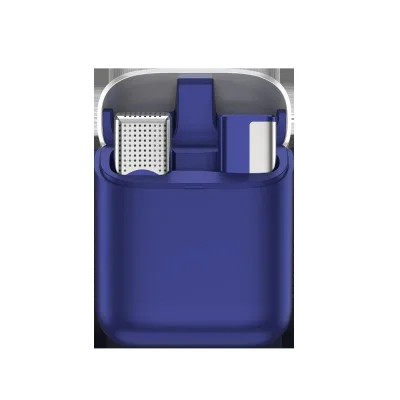

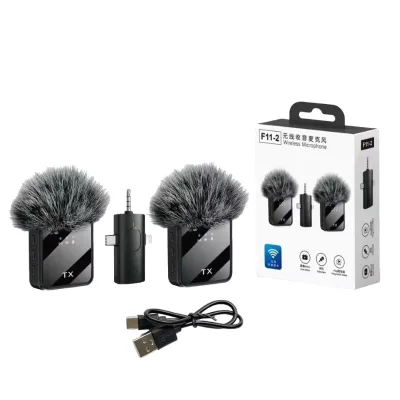

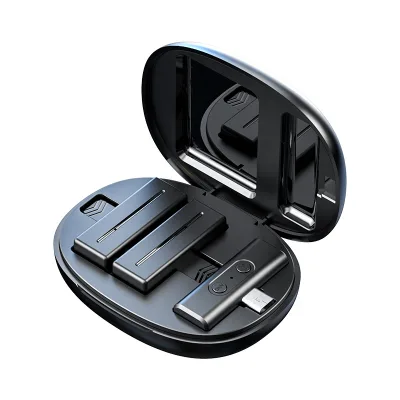


Comprehensive Sourcing Guide
Strategic Sourcing Guide for Wireless Lavalier Microphones for Vlog Production
Sourcing wireless lavalier microphones for vlog production requires a precise understanding of the intersection between technical performance, supply chain reliability, and application-specific needs. The market for these devices is vast, ranging from entry-level plug-and-play units to professional-grade systems capable of handling complex live environments. For procurement professionals, the primary objective is to identify suppliers who can deliver consistent audio quality while adhering to strict logistical and quality standards. This guide synthesizes available product data and industry best practices to provide a comprehensive framework for evaluating potential suppliers and selecting the right equipment for content creation workflows.
Technical Specifications and Performance Metrics
The core of any vlogging microphone system lies in its ability to capture clear audio in diverse environments. When evaluating products, buyers must scrutinize specific technical parameters that directly impact sound fidelity. A critical observation in the current market is the prevalence of systems operating within the 2.4-2.4835GHz transmission frequency band. This range is standard for consumer wireless audio but requires careful management to avoid interference from other wireless devices in crowded urban or studio settings.
Sensitivity is another paramount specification. Data indicates that high-performance units often feature a sensitivity rating of -42dB, with some models specifying a tolerance of ±2dB. This metric determines how effectively the microphone converts sound pressure into an electrical signal. A sensitivity of -42dB±2dB suggests a robust capability to capture subtle vocal nuances, which is essential for the intimate delivery style common in vlogging. Furthermore, the transducer principle is a key differentiator. While some units utilize electrodynamic principles, others rely on condenser microphones. Condenser types generally offer a wider frequency response and higher sensitivity, often cited in ranges such as 60Hz to 15kHz, making them suitable for high-fidelity voice and music recording.
The physical dimensions of the transmitter and receiver units also play a significant role in usability. Compact designs are preferred for discreet placement on clothing. Observed specifications show transmitter sizes around 47.9x16.8x16.43mm and receiver sizes near 47.8x35x8mm. These form factors ensure the equipment does not interfere with the vlogger's movement or become visually obtrusive in the frame. Additionally, the directivity pattern is crucial; omni-directional microphones are frequently specified to capture sound from all angles, providing a natural sound field that is beneficial for dynamic vlogging scenarios where the speaker may move relative to the camera.
Power Management and Connectivity Architecture
Reliability during extended recording sessions is heavily dependent on battery performance and charging mechanisms. The supply data highlights a mix of battery life claims, with some units offering over 5 hours of operation and others exceeding 8 hours. Procurement teams must verify these claims against real-world usage scenarios, as battery life can fluctuate based on transmission distance and environmental interference. The use of built-in lithium batteries is standard, and the charging method is a vital operational detail. Magnetic charging interfaces are increasingly common, offering a convenient and secure connection that prevents wear on physical ports.
Connectivity options must align with the diverse array of recording devices used by vloggers. The output connector specifications reveal a trend toward dual compatibility, with systems supporting both Type-C and Lightning connectors. This versatility is essential for users operating on both Android and iOS platforms. Furthermore, the integration of USB connectors for signal transmission and the inclusion of DSP (Digital Signal Processing) technology indicate a move toward digital wireless systems that minimize latency and enhance signal clarity. The presence of an LED display mode on the receiver allows users to monitor battery levels and connection status at a glance, reducing the risk of unexpected power loss during a shoot.
Application Scenarios and Usage Versatility
The versatility of a wireless lavalier microphone system determines its value proposition across different content creation niches. The observed product attributes list suitability for recording, live streaming, teaching, meetings, and singing. This broad applicability suggests that the technology is designed to handle varying acoustic environments, from quiet indoor studios to noisy outdoor locations. The "Combined Type" sound field force and "360 Degree Omni-Directional Sound Reception" are specific advantages that support these diverse applications, ensuring that audio remains consistent regardless of the speaker's orientation.
For vloggers, the ability to switch seamlessly between different modes of operation is critical. The "Auto Pairing" and "Plug and Play" features eliminate the need for complex configuration or third-party applications, streamlining the workflow for creators who need to focus on content rather than technical setup. Noise reduction capabilities are also highlighted as a key advantage, addressing a common pain point in vlogging where background noise can degrade audio quality. Systems with a Signal to Noise Ratio (SNR) of ≥85dB are particularly valuable in this regard, as they help isolate the speaker's voice from ambient distractions.
Cost Drivers and Procurement Economics
Understanding the cost structure of wireless lavalier microphones is essential for budgeting and supplier negotiation. The observed price range in the market spans from $1 to $189 USD, indicating a wide spectrum of product tiers. This variance is driven by factors such as the quality of components, the sophistication of the DSP technology, and the inclusion of advanced features like noise cancellation and extended battery life. The Minimum Order Quantity (MOQ) also varies significantly, ranging from 1 unit to 500 units. This flexibility allows buyers to scale their procurement based on immediate needs, whether for a single production team or a large-scale corporate deployment.
Customization is a significant cost driver and value adder. Many suppliers offer OEM and ODM services, allowing buyers to brand the products with their own logos or modify packaging. The availability of customized package boxes and retail packaging inside cartons suggests that branding is a standard expectation in this sector. Buyers should evaluate the cost implications of these customizations against the potential brand value they generate. Additionally, the production origin, primarily noted as Shenzhen, China, and Guangdong, China, reflects the concentration of manufacturing expertise in these regions, which can influence lead times and shipping costs.
Supplier Evaluation and Quality Assurance
When selecting a supplier, buyers must look beyond the product specifications to assess the manufacturer's reliability and quality control processes. The presence of "OEM & ODM: Welcomed" indicates that suppliers are open to collaborative development, which is a positive sign for long-term partnerships. However, buyers should verify the supplier's capacity to maintain consistent quality across batches. The specification of a standard product size of 86x66x30mm for packaging and a packing density of 100 sets per carton provides insight into the logistics capabilities of the supplier.
Quality assurance should be a central part of the evaluation process. Buyers must ensure that the supplier adheres to relevant manufacturing standards and can provide documentation for their production processes. While specific certification names are not universally listed in the provided data, the emphasis on "High Sensibility, Wide Compatibility" and "Auto Pairing" suggests a focus on functional reliability. It is advisable to request sample units for rigorous testing before committing to large orders. Testing should include checks on battery life, signal stability, and audio clarity under various conditions to ensure the product meets the specific demands of the vlogging market.
Long-Term Procurement and Supply Chain Considerations
Sourcing for the long term requires a strategic approach that accounts for market trends and supply chain resilience. The wireless microphone market is evolving rapidly, with continuous improvements in battery technology and digital signal processing. Buyers should prioritize suppliers who demonstrate a commitment to innovation and can adapt to new standards. The "Bluetooth version 5.0" specification indicates a baseline for connectivity, but future-proofing may require looking for suppliers capable of upgrading to newer versions as they become available.
Logistics and lead times are also critical factors. The location of the suppliers in Shenzhen and Guangdong offers access to a robust supply chain, but buyers must confirm lead times to ensure timely delivery. The "Retail Package Inside Carton" and "100 sets Per Carton" specifications suggest that the packaging is designed for efficient shipping and retail display. Buyers should negotiate clear terms regarding packaging customization and shipping timelines to avoid disruptions in their supply chain.
Comparative Analysis of Product Models
To facilitate decision-making, it is helpful to compare the key attributes of different models available in the market. The following table summarizes the observed specifications for several distinct models, highlighting their unique features and potential use cases.
| Model Number | Transducer Principle | Frequency Response | Battery Life | Connector Type | Key Advantages |
|---|---|---|---|---|---|
| K30 | Electrodynamic Microphone | Not Specified | > 5 Hours | Type C/Lightning | Auto Pairing, Plug and Play |
| K9 | Condenser Microphone | Not Specified | > 8 Hours | Not Specified | Noise Reduction, Omni-Directional |
| J13 | Not Specified | Not Specified | Not Specified | Not Specified | Wide Compatibility |
| SX88 | Not Specified | Not Specified | Not Specified | Not Specified | High Sensibility |
| K61 | Not Specified | Not Specified | Not Specified | Not Specified | Combined Sound Field |
| AZ-MICR124 | Not Specified | 60Hz-15KHz | Not Specified | Not Specified | DSP Digital Technology |
This comparison illustrates the diversity in the market. While the K9 model offers extended battery life and condenser technology, the K30 model emphasizes ease of use with its plug-and-play features. The AZ-MICR124 model stands out with a specified frequency response of 60Hz-15KHz, indicating a broader audio capture range. Buyers should select the model that best aligns with their specific technical requirements and budget constraints.
Conclusion
Sourcing wireless lavalier microphones for vlog production is a multifaceted process that requires a deep understanding of technical specifications, market dynamics, and supplier capabilities. By focusing on key attributes such as sensitivity, battery life, connectivity, and noise reduction, buyers can identify products that meet the high standards of modern content creation. The availability of customization options and the concentration of manufacturing in key Chinese hubs provide opportunities for strategic procurement. However, rigorous quality control and supplier evaluation remain essential to ensure that the selected products deliver consistent performance and value. As the market continues to evolve, maintaining a flexible and informed approach to sourcing will be crucial for success in the competitive vlogging industry.
FAQs
What is the battery life for these wireless microphones?
Battery life varies by model, with some units offering over 5 hours and others exceeding 8 hours of operation. This duration depends on usage conditions and transmission distance, so verify specific model claims before purchase.
Which connectors are compatible with these microphones?
The output connectors support both Type-C and Lightning interfaces for broad device compatibility. Additionally, USB connectors are available for signal transmission, ensuring suitability for both Android and iOS recording platforms.
How does the noise reduction feature work?
Noise reduction is a key advantage, often supported by a Signal to Noise Ratio of at least 85dB. This capability helps isolate the speaker's voice from ambient distractions during live streaming or recording in noisy environments.
Can I customize the packaging for bulk orders?
Yes, customization is available with OEM and ODM services welcomed by suppliers. Buyers can request customized package boxes and retail packaging inside cartons to align with their specific branding requirements.
What is the transmission frequency band used?
The transmission frequency band operates within the 2.4-2.4835GHz range, which is standard for consumer wireless audio. This band requires careful management to avoid interference from other wireless devices in crowded settings.
Are these microphones suitable for live streaming?
Yes, the products are explicitly suitable for recording, live streaming, teaching, meetings, and singing. Their omni-directional sound reception and noise reduction features make them versatile for various content creation scenarios.